•2 min read
Understanding Light Quality: Direction, Softness and Falloff
How relative source size, inverse-square falloff, and shadow transitions define the sculptural identity of your frames.
LightingPhotographyCinematography
How camera-to-subject distance alters perspective geometry and why a 24mm feels intimate while an 85mm isolates prestige.
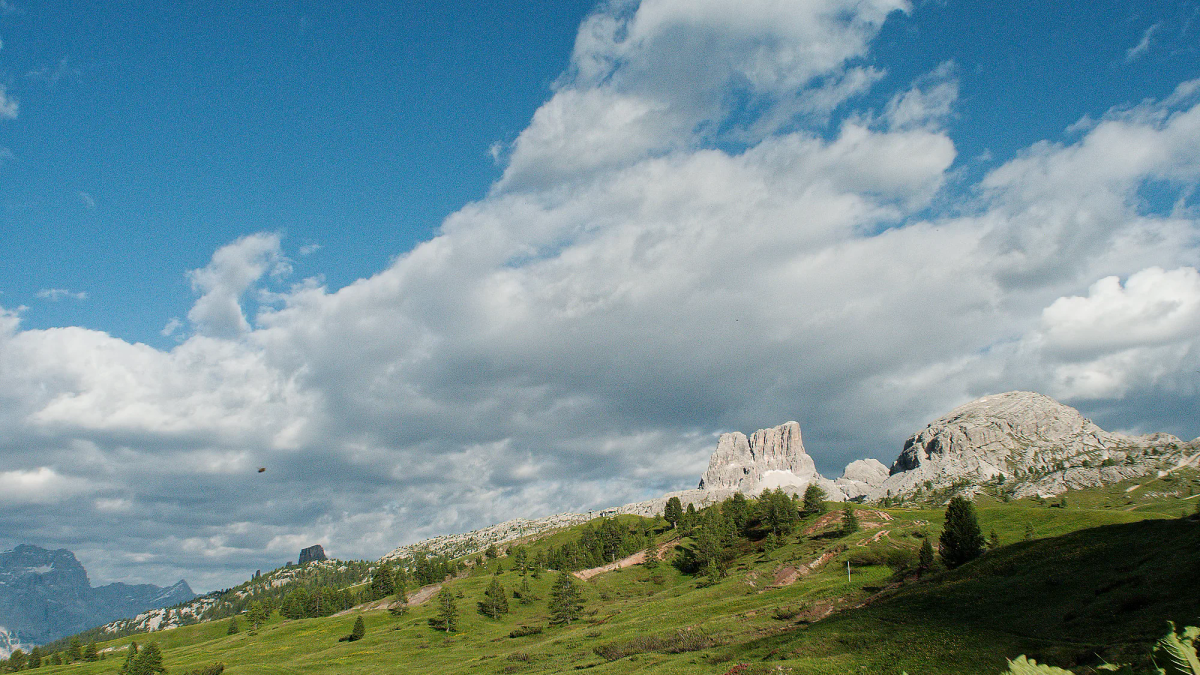
One of the most persistent misconceptions in visual media is that focal lengths distort perspective. Lenses do not change perspective—physical camera-to-subject distance does. The focal length merely crops the resulting cone of vision to a specific angle of view.
When you stand three feet from a subject with a 24mm wide-angle lens, their nose is substantially closer to the camera glass than their ears. This physical proportion exaggerates front-to-back distance: features project forward, and background mountains shrink into distant horizons.
If you step back thirty feet with a 135mm telephoto lens, the relative distance difference between the subject’s nose and ears diminishes to less than one percent. Facial proportions flatten into idealized planar alignment, and distant mountains seem to loom directly behind the subject’s shoulders.
This optical phenomenon—frequently termed spatial or perspective compression—is entirely dictated by where the tripod stands in three-dimensional space.
In commercial art direction, selecting a focal length is a psychological choice:
Wide-angle lenses exhibit barrel distortion and edge stretching as light rays strike the outer perimeters of rectangular sensors at oblique angles.
To keep wide shots looking sophisticated:

Visual director, commercial photographer, and 3D artist at Duerremedia. Specializing in ACES color science, cinematic pacing, and CGI.
How relative source size, inverse-square falloff, and shadow transitions define the sculptural identity of your frames.

Why timing exposure to double the frame rate creates organic cinematic cadence, and when deliberate rule-breaking serves the narrative.
Need visuals that work this hard?
Start a project