
•2 min read
Understanding Light Quality: Direction, Softness and Falloff
How relative source size, inverse-square falloff, and shadow transitions define the sculptural identity of your frames.
LightingPhotographyCinematography
Ditching arbitrary camera moves for intentional blocking where foreground parallax accentuates subject psychology.
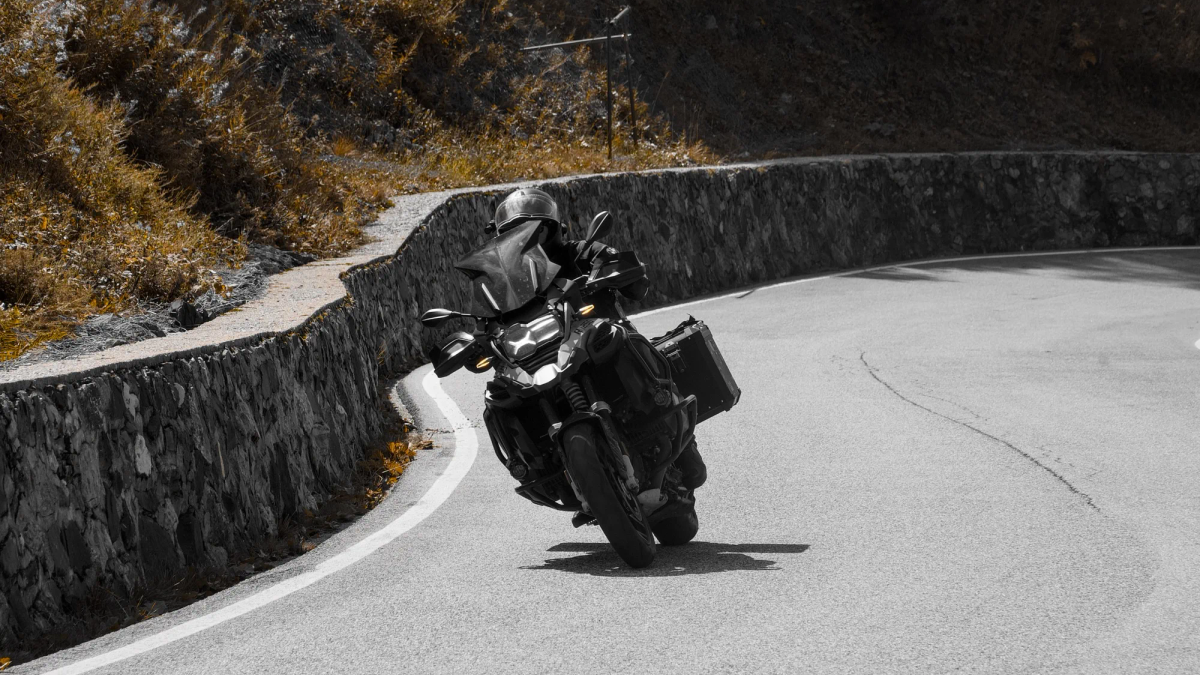
Modern gimbals, sliders, and camera drones have made buttery-smooth camera movement accessible to any creator. Paradoxically, this ease of mobility has led to an epidemic of unmotivated motion: camera moves that drift aimlessly across a scene without emotional justification or narrative focus.
Every camera motion must answer a fundamental question: Why is the lens moving?
Cinematographic movement is justified by two primary forces:
When camera movement is decoupled from narrative purpose, the audience subconsciously notices the operator rather than engaging with the story.
The primary aesthetic advantage of physical camera translation (tracking, dollying, jibbing) over zooming is parallax.
Parallax occurs when foreground objects, midground subjects, and background horizons shift across the frame at differing relative speeds. When a camera dollies laterally past a foreground alpine tree branch, the branch sweeps swiftly across the lens, the subject passes moderately, and distant mountain peaks barely budge.
This multi-plane translation provides the viewer’s brain with the geometric cues necessary to construct a three-dimensional world on a flat two-dimensional screen. Always stage meaningful foreground elements when designing camera tracks.
The ultimate test of a director’s confidence is knowing when not to move.
A locked-off tripod shot forces the audience to study the nuances within the frame: the wind rippling through performance fabric, subtle shifts in facial expression, or the interaction of shadows. In luxury and heritage commercial films, intentional stillness conveys quiet confidence and lasting prestige.

Visual director, commercial photographer, and 3D artist at Duerremedia. Specializing in ACES color science, cinematic pacing, and CGI.
How relative source size, inverse-square falloff, and shadow transitions define the sculptural identity of your frames.
Why timing exposure to double the frame rate creates organic cinematic cadence, and when deliberate rule-breaking serves the narrative.
Need visuals that work this hard?
Start a project