•2 min read
The 180-Degree Shutter Rule and Natural Motion Blur
Why timing exposure to double the frame rate creates organic cinematic cadence, and when deliberate rule-breaking serves the narrative.
CinematographyOpticsMotion
How relative source size, inverse-square falloff, and shadow transitions define the sculptural identity of your frames.
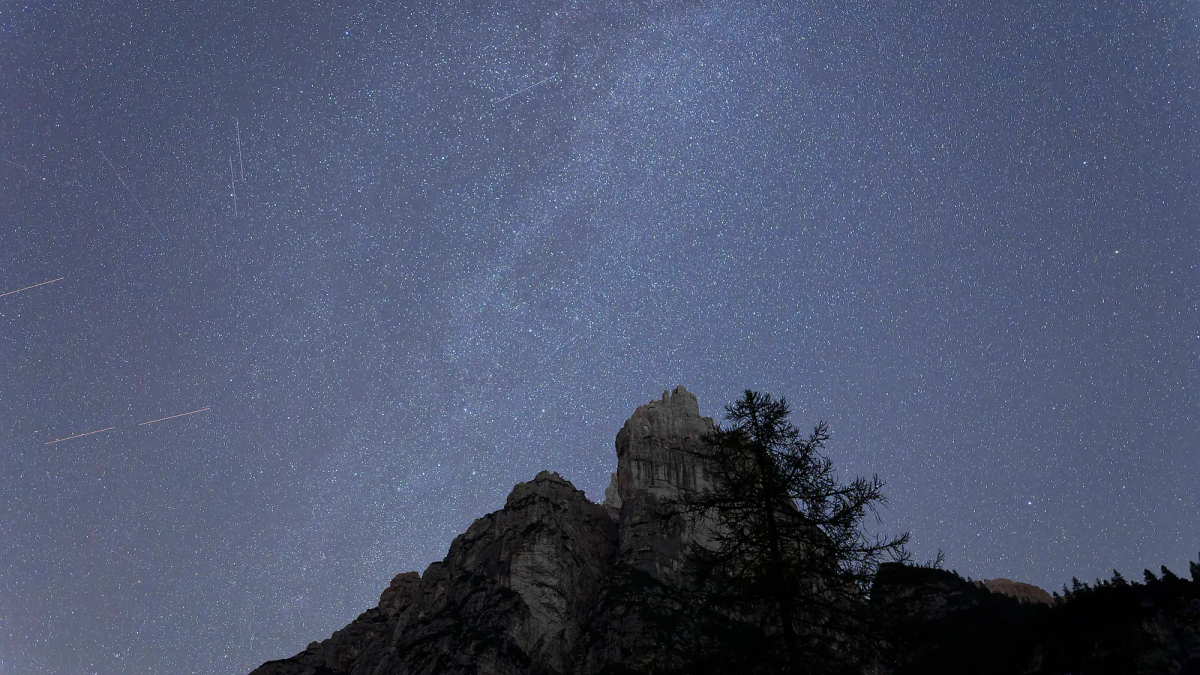
In commercial and editorial photography, light is not merely illumination—it is the physical medium that communicates form, texture, and psychological weight. While exposure ensures technical visibility, the quality of light determines emotional resonance.
The defining property of soft light is not how much power your fixture emits, but how large the light source appears relative to your subject.
A direct speedlight or the midday sun is an intense, concentrated pinpoint. The resulting transition between illuminated surfaces and shadow areas (the penumbra) is razor-sharp, exaggerating surface imperfections and casting stark, high-contrast outlines. Conversely, when that same light is bounced into an eight-foot diffusion scrim or filtered through low alpine cloud cover, the physical source expands across degrees of arc.
When you want softer light, you have only two physical choices: move the light source physically closer to the subject (which increases its relative angular size), or increase the physical surface area of the emitter.
The inverse-square law states that the intensity of light is inversely proportional to the square of the distance from the source. While mathematically simple, its creative application is where master visual storytellers separate themselves.
When a subject is positioned two feet from a key light, stepping back two additional feet reduces the illumination by seventy-five percent (two stops). The light falloff across their face is dramatic—the near cheek is bright, while the far ear plunges into deep shadow.
However, if that same key light is moved twenty feet away, moving the subject two feet produces an imperceptible falloff of less than twenty percent. By manipulating working distance, you control not just exposure, but the rate of contrast across the three-dimensional geometry of your scene.
Great lighting is fundamentally about directing shadows. Without shadow, human vision cannot calculate depth, weight, or distance.
Before placing a single light modifier, observe the natural ambient baseline. Use negative fill—large solid black flags—to absorb stray ambient bounce on the fill side. By eliminating unwanted ambient spill, you restore clean, sculptural contrast and give the key light room to tell its story.

Visual director, commercial photographer, and 3D artist at Duerremedia. Specializing in ACES color science, cinematic pacing, and CGI.
Why timing exposure to double the frame rate creates organic cinematic cadence, and when deliberate rule-breaking serves the narrative.
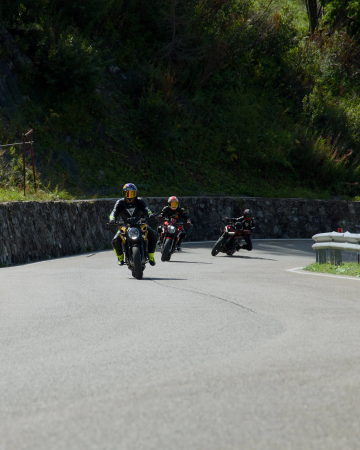
Pushing sensor exposure to the right to retain pristine shadow signal without sacrificing organic highlight roll-off.
Need visuals that work this hard?
Start a project