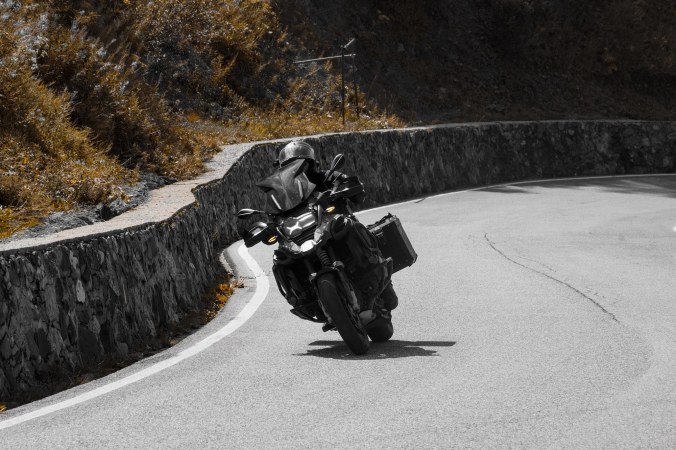
•1 min read
Motivated Camera Movement: Parallax, Pacing and Kinetic Intent
Ditching arbitrary camera moves for intentional blocking where foreground parallax accentuates subject psychology.
CinematographyDirectionFilmmaking
How pairing wide atmospheric scenes with intimate macro details creates a visual cadence that guides the viewer’s eye through a campaign.
A solitary photograph can be visually arresting, but a commercial campaign lives or dies by how images interact in sequence. In lookbooks, multi-page magazine spreads, and digital brand platforms, pacing is the invisible rhythm that transforms individual frames into a cohesive cinematic journey.
The most common failure in commercial portfolios and brand campaigns is scale monotony: presenting six consecutive medium-shot portraits of a subject in similar environments. The viewer’s brain quickly fatigues, and emotional engagement drops sharply.
A master editorial sequence functions like musical composition, alternating between three distinct visual scales:
By alternating Wide → Detail → Mid → Wide, the sequence creates visual breathing room. Each frame answers questions raised by the previous image while posing new ones for the next.
When designing double-page spreads or scrolling digital stories, adjacent images must share a deliberate tonal dialogue:
The ultimate mark of editorial direction is ruthless curation. A photographer might take two thousand frames during a multi-day commercial shoot. Delivering fifty exceptional, distinct images that build a cohesive narrative is infinitely more valuable to a brand than delivering five hundred redundant variations. Respect the story; curate with authority.

Visual director, commercial photographer, and 3D artist at Duerremedia. Specializing in ACES color science, cinematic pacing, and CGI.
Ditching arbitrary camera moves for intentional blocking where foreground parallax accentuates subject psychology.
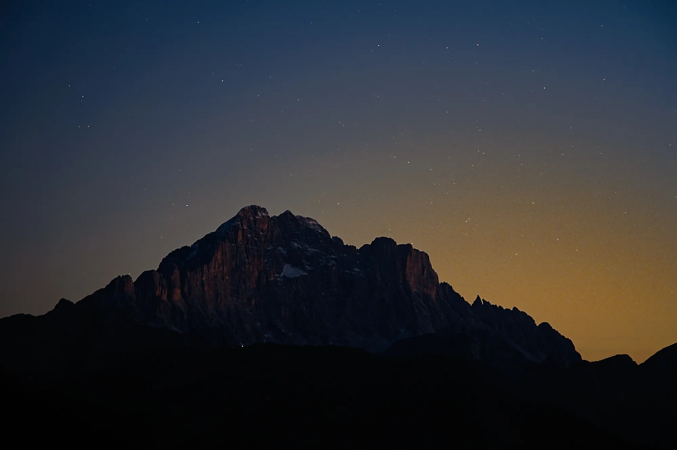
Moving away from visual filler: how tactile textures, deliberate match cuts, and atmospheric details deepen commercial pacing.
Need visuals that work this hard?
Start a project